


Choose a section
Letters to Santa
Each year, TASIGO hotels launch new social initiatives, but one of the most touching and meaningful projects holds a special place in the hearts of our employees — "Letters to Santa." This tradition has become a symbol of kindness, belief in miracles, and the power of collective participation.
A month before Christmas, the Christmas tree in the hotel lobby is decorated with letters from children with special health needs, collected together with the Alpari Charitable Foundation in Kazan. For five years in a row, this initiative has remained TASIGO's brightest and kindest project. Over the lifetime of the project, more than 250 gifts have been given to children.
Guests and hotel employees take part in the initiative: anyone who wishes may open a letter, learn about the desired gift, purchase it, and send it directly to the child's family at the address provided. We believe in targeted and regular charity, because this is the only way to build a sustainable system of support for the most vulnerable members of the urban community.
This project is more than charity — it is a living expression of social responsibility, bringing people together and strengthening the values of sustainable development.

Products Made from Recycled Materials Collected in hotels
One of TASIGO's best practices in recycling and resource recovery is not only separate waste collection, but also giving materials a second life through new, stylish, and functional products. The hotels sort 18 different waste fractions, and some of them return to the hotel in a new form, becoming part of the guest experience.
Plastic bottle caps collected at the hotel are transformed into useful and beautiful items. In the guest rooms, visitors are welcomed by information signs about responsible resource consumption, made from recycled caps. In some rooms, bright tables feature tabletops made from the same material, while in the bar drinks are served on original coasters made from recycled plastic. Even the wall navigation signs are made from secondary raw materials, bringing the idea of sustainability into the everyday hotel environment.
To produce one tabletop, 64 kg of plastic caps are needed; one information sign requires 38 kg, and the coasters are made from 12 kg of caps.


64 kg

38 kg

12 kg
This use of recycled materials reflects a responsible approach to nature and is the result of a strong partnership with Qullar, a local producer of innovative products made from recycled plastic.
Another example of recycling and giving old items new life is the recycling of old exhibition banners into stationery pencil cases. These pencil cases are used in the hotel to store stationery supplies for children.
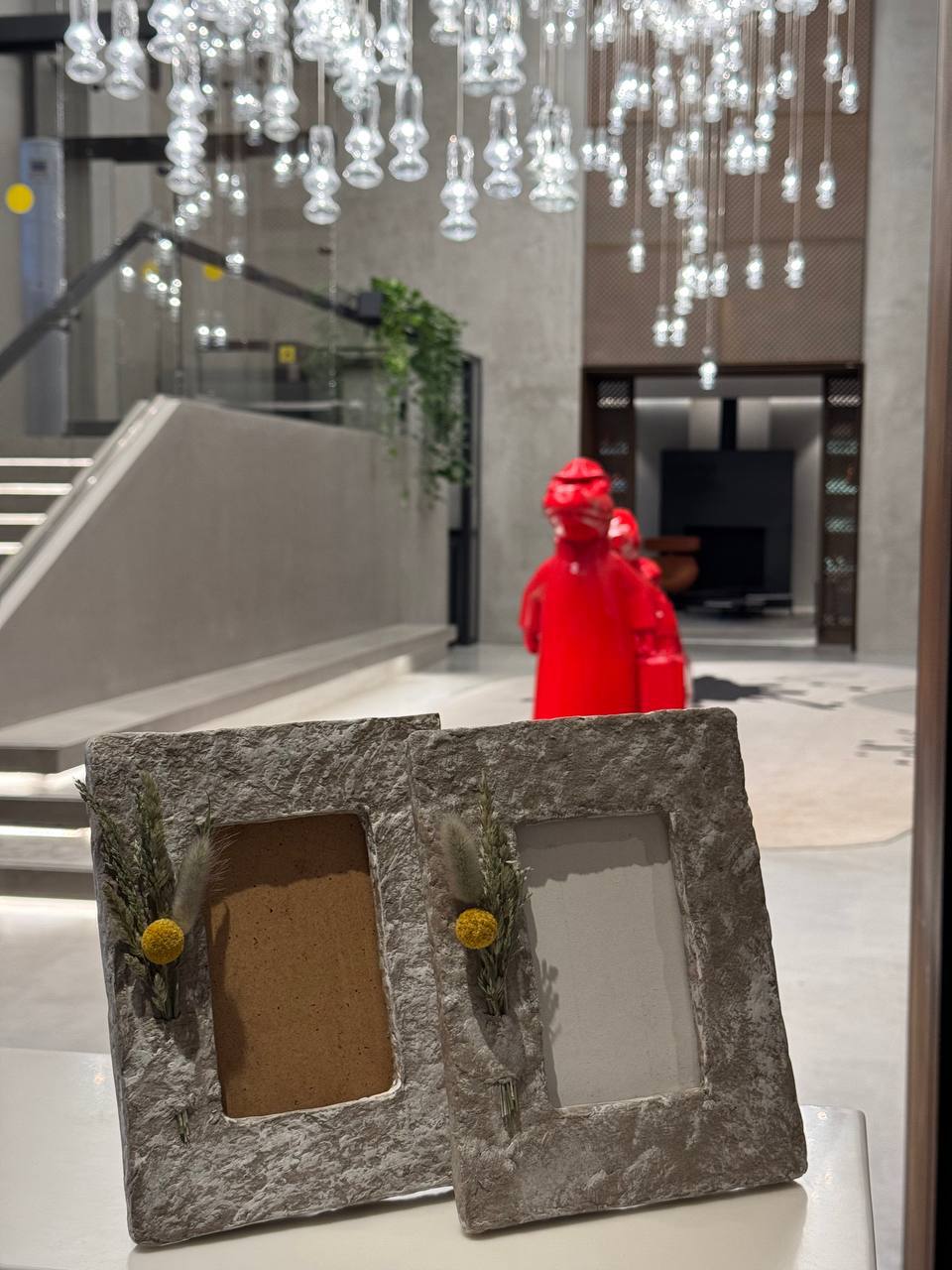
TASIGO hotels support local artisans by creating souvenirs and welcome cards. The creation of photo frames by a local craftsman from recycled office paper and pulp cardboard collected at TASIGO is an inspiring example of how environmental care is realized in unique and functional products. The use of recycled materials not only reduces the burden on natural resources and decreases waste volumes but also imparts special value and individuality to each item. These frames symbolize responsible consumption, local production, and support for the sustainable development cycle: all collected materials gain a new life in the hands of the artisan, and the finished products adorn spaces, reminding us of the importance of mindful resource use and backing local environmental initiatives.
The collection of handmade postcards made from paper collected in the hotels became a symbol of conscious consumption and support for local small businesses. Each postcard is crafted by a local master through a long and meticulous process, giving each souvenir genuine uniqueness and ecological value. Inside the postcard are flower seeds: it can be planted in a pot to grow a living plant. This unusual souvenir not only delights guests but also promotes responsible resource use, helps popularize products from local entrepreneurs, and contributes to building an ecologically oriented TASIGO community.
Together, we are advancing eco-friendly design and creating modern, elegant solutions that show sustainability can be beautiful, practical, and inspiring.
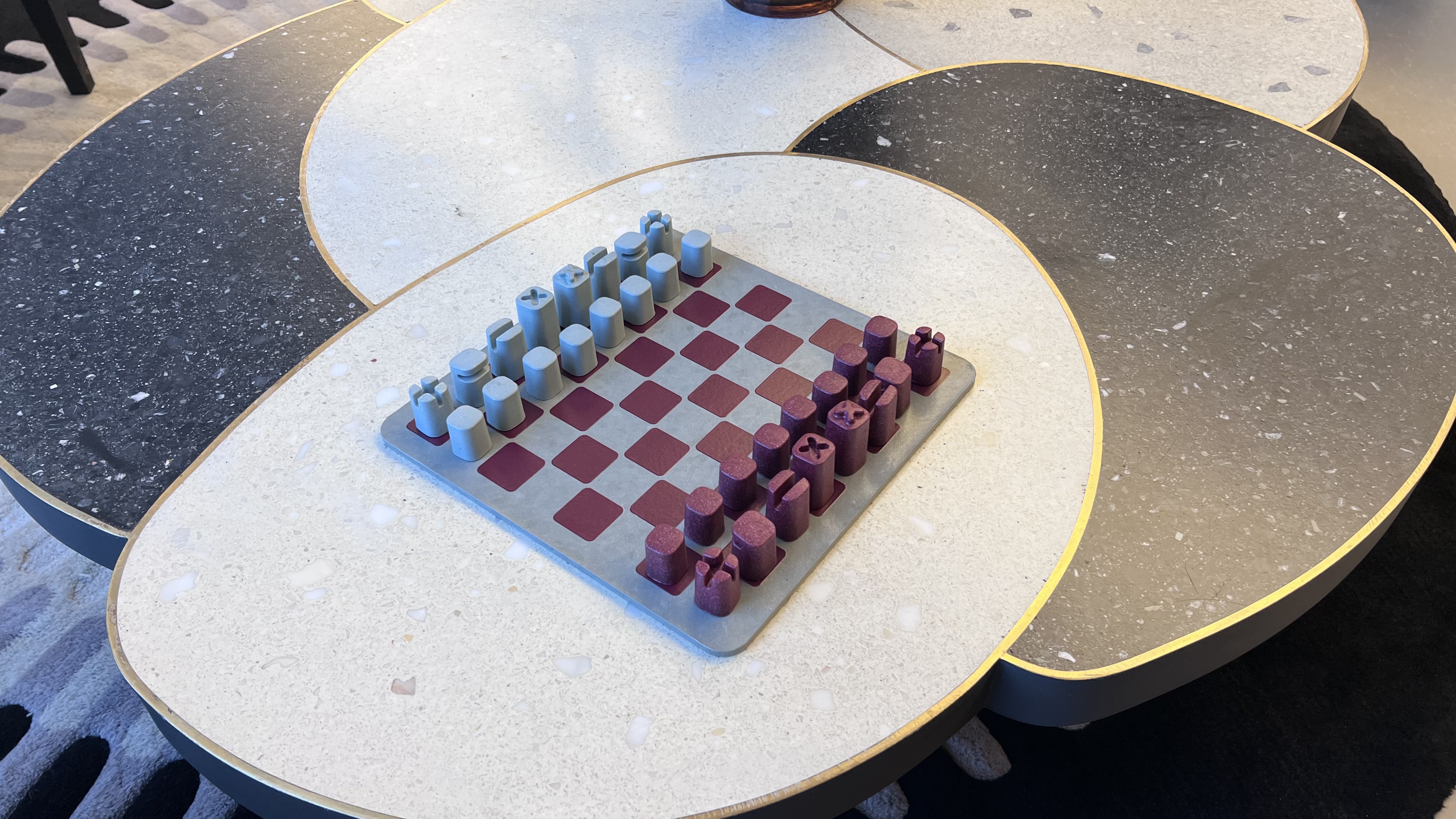
Corporate gifts hold a special place within our sustainable approach to business communications. Chess sets made from recycled Tetra Pak packaging are an exclusive present that combines style, intellect, and care for the environment. Approximately 87 recycled one-liter Tetra Pak cartons are used to produce a single chessboard with pieces. From the same recycled material, we create pens for our guests and employees. Each pen is crafted from a blend of polyethylene and aluminum obtained from used packaging. 1.2 one-liter Tetra Pak cartons are required to produce one pen.
These gifts symbolize strategic thinking and responsible consumption, showcasing the company's values to partners and employees.
Audio Guide on website
On the Kazan Palace by TASIGO website, guests and all visitors have a wonderful opportunity to immerse themselves in the history of the ancient and mysterious city through an audio-guided walk around the historic center of Kazan. During this engaging journey, guests can explore the city's most beautiful and significant landmarks while listening to an audio guide that tells the story of its rich cultural heritage and many legends.
The audio tour is recorded in two languages with the comfort and interests of travelers in mind, offering them a unique way to discover Kazan. With audio accompaniment, guests can choose their own pace and route, absorbing the history and atmosphere of the thousand-year-old city. This initiative reflects a commitment not only to providing a high level of service in the hotels, but also to enriching the guest experience by integrating environmental and educational elements into hospitality. Such an approach enhances the uniqueness of the stay, creating a deep and memorable impression of visiting Kazan and TASIGO.

Children's Book
TASIGO hotels have released a unique children's book titled "The Mystery of the House on the Hill", which embodies a focus on environmental protection, history, art, and culture. This children's book, published by the hotel, presents a rare opportunity to tell its story through enchanting literature for young readers. The book vividly and accessibly narrates not only the restoration of a 1910 historic building — a cultural heritage site of Tatarstan – but also highlights the hotels' ecological projects and distinctive aspects of hospitality in the region. This format is atypical for the hospitality business, providing a way to explain important sustainable development values to young readers. The story follows the main character, a girl named Tusia, who comes to Kazan Palace by TASIGO, the site of the former Shamov's hospital. The book immerses readers in the building's rich history, steeped in culture and contemporary trends. It also incorporates elements of Tatar mythology, making it unique and closely connected to local cultural heritage. The author, Marina Avdeeva, was inspired by the hotel's unique atmosphere and its artistic elements. Some copies of the book were donated to the National Library of the Republic of Tatarstan, with others available for purchase at the hotels. Thus, TASIGO not only preserves and nurtures cultural heritage but also significantly contributes to the environmental and cultural education of the younger generation. In conjunction with the book's release, another social project was undertaken: a permanent partner in social entrepreneurship created a knitted doll based on the book's main character. This souvenir is displayed in the social entrepreneurship showcase and purchased by guests along with the book.

Portioned meals for night shift employees
At TASIGO, we're tackling food waste across all levels—even in our staff canteen!
Problem: Night shifts generated up to 311 kg of waste monthly. Food cooled on the buffet line, lost flavor and appeal—and went straight to trash.
Solution: Since December 2025, we switched to portion containers. Bought 100 glass containers for 50,000 ₽ ($630). Prepared portions stay chilled in the fridge—staff grab, reheat, and eat exactly what they need.
Result: Waste dropped to 109 kg/month. Simple, tasty, eco-friendly!

Taste Without The Waste
At TASIGO hotels, mindful consumption and food waste reduction are not one-off initiatives but part of our everyday culture. We build this process consistently and delicately, engaging not only our team but also hotel guests. We pay special attention to careful, natural communication to discuss responsible resource use in a simple, clear, and pressure-free way.
Since October, every Thursday we run the "Food Without a Trace" campaign, offering guests a complimentary treat for finishing their plate — a beautiful and kind way to encourage mindful choices. The name "Food Without a Trace" is our alternative to the conventional zero waste concept. We wanted to remove any negative connotations and associations with waste, so we chose this poetic title.
Over four months, 230 guests participated in the campaign, learning in detail about TASIGO's mindful approach to ingredient use and the importance of conscious consumption.
This format gently fosters the habit of mindful eating and makes waste reduction a natural part of hospitality.

Upcycling Toys for Guests and the Planet
At TASIGO, we upcycle retired terry towels into new stories. Housekeeping retires hundreds of towels from guest rooms and the spa each year - and we try to reduce the amount going to landfills.
From small towels, our team handcrafted 1,713 plush teddy bears for children under 10 — soft, eco-friendly, and infused with the TASIGO spirit. Children are thrilled with these gifts and send our staff touching reviews expressing their joy. Each bear carries the warmth of our team's hands and tells a story of mindful resource use.
For our guests' pets, we create dog chew toys, handmade by a local workshop. The trial batch of 50 pieces came from retired spa towels — durable, safe, and beloved by four-legged friends.
This way, we reduce waste, delight children and pets, and above all, show that upcycling care can be both practical and heartfelt.
